by michelle.mitchell | Dec 28, 2025 | Uncategorized
A user holds Bitcoin and ETH in Guarda Wallet and needs to exchange some Bitcoin for USDC. The wallet displays an exchange option prominently in the interface, offering immediate conversion without leaving the application. But when the user compares the quoted rate to what Binance or Uniswap would offer for the same trade, the difference is noticeable—sometimes 2 to 5 percent worse, or more during volatile market conditions. The question becomes immediate and practical: why does a non-custodial wallet charge more than a centralized exchange or decentralized protocol, and when does using the built-in exchange actually make sense?
The answer is not a failure of the wallet or a deliberate markup. Instead, it reflects the true economics of liquidity routing, the cost of immediate execution, and the architectural choices that make a wallet convenient rather than comprehensive. Understanding that cost structure is essential for anyone using Guarda Wallet or any similar multi-asset crypto wallet with integrated swap functionality. The built-in exchange serves a different function than Binance’s order book or Uniswap’s decentralized protocol, and the price differential is the direct result of that difference.

The three layers of cost hiding inside the exchange quote
When Guarda Wallet displays an exchange rate, the figure shown to the user represents the outcome after three distinct cost layers have already been subtracted. First is the liquidity provider fee—the cost charged by the actual market source delivering the tokens. Second is slippage and routing overhead—the friction created by finding liquidity across multiple sources and executing the trade through a specific path. Third is the wallet provider’s own margin or operational fee, which subsidizes the convenience of not having to navigate an external exchange.
Binance and other centralized exchanges make their economics transparent in a different way. They publish a fee schedule—typically 0.1 percent for standard users on spot trades—and users see that fee as a separate line item. What they do not see separately is the spread between the price they buy at and the global market price. If Binance’s Bitcoin/USDC spread is 0.05 percent wide, a user paying 0.1 percent fee plus 0.05 percent spread has paid 0.15 percent total, but only 0.1 percent appears as a named fee. The remaining cost is absorbed into the execution price and is less visible.
Guarda Wallet’s built-in exchange typically sources liquidity from aggregator protocols or liquidity partners that bundle all three costs into a single quoted rate. A user sees one number and accepts or rejects it without decomposing the individual components. That consolidation is convenient—no separate fee confirmation screen, no need to understand multiple fee schedules—but it also obscures what the wallet is actually paying and what margin the liquidity provider is retaining. The wallet’s own operational cost may be 0.3 to 1.5 percent of the trade value, while the underlying liquidity sources add another 0.5 to 2 percent depending on the asset pair, trade size, and market conditions.
Why immediate execution costs more than patience
An exchange order on Binance can be filled through a centralized order book where millions of dollars in liquidity sits waiting. A user placing a market order to sell Bitcoin for USDC taps into that existing depth and executes almost instantly against counterparties already standing in the queue. The cost is low because the infrastructure is centralized and the matching is deterministic. Uniswap operates differently but still benefits from pre-existing liquidity pools: a user’s trade is executed against a smart contract with reserves already in place, and the price is set by the constant product formula without intermediaries negotiating.
Guarda Wallet’s integrated exchange does not maintain its own liquidity pools or operate an order book. Instead, it routes the swap to external liquidity sources in real time—often multiple sources aggregated through a routing protocol. The wallet must find sufficient liquidity, execute the trade, and deliver the result, all within seconds. That immediacy requires the wallet to either offer inducements to market makers to provide liquidity on demand or to pay a spread to existing liquidity pools. Neither path is free.
Consider a user wanting to exchange 5 Bitcoin for USDC through Guarda Wallet. The wallet queries available liquidity, discovers that one source can provide 3 Bitcoin’s worth of USDC at the current rate, another can provide 1.5 Bitcoin’s worth at a slightly worse rate, and a third can handle the remaining 0.5 Bitcoin. The routing engine executes all three pieces, settling the positions, and presenting the user with a blended rate that includes the cost of that multi-source execution. That rate will be worse than the best single-source rate available at that moment, and it will be worse than patiently placing a limit order on Binance and waiting for a fill.
Slippage, market impact, and the speed premium
When a user places a trade that is large relative to available liquidity, the execution price deteriorates—not because of a fee, but because the user is consuming liquidity at progressively worse prices as the trade fills. This is called slippage, and it is an intrinsic feature of how markets work, not a cost imposed by any single party. On Uniswap, a large trade moves the price along the bonding curve, meaning the final execution price is worse than the first token received. On Binance, a market order consuming multiple price levels experiences the same effect.
Guarda Wallet’s quoted rate accounts for this slippage in advance. The wallet calculates the expected slippage based on the trade size and available routes, then quotes a rate that reflects the real settlement price. For a small trade of $1,000, slippage might be negligible—less than 0.1 percent. For a $100,000 trade in a less-liquid token pair, slippage could easily reach 1 to 3 percent. The wallet’s quote is honest; the user simply cannot do better without either splitting the trade across multiple exchanges or accepting a worse execution.
The speed premium comes into play when market conditions are volatile. If a user quotes a rate on Guarda Wallet and then takes ten minutes to think about accepting it, the underlying markets may have moved significantly. By the time the user confirms the trade, the wallet must re-quote based on current liquidity conditions, and the new rate could be substantially different. A centralized exchange can execute a market order in seconds, ensuring the user gets a rate closer to the current market. Guarda Wallet’s quoted rate includes protection against that market movement risk—the liquidity provider or aggregator effectively insures the wallet against the price changing between quote and execution, and that insurance has a cost.
When to use the built-in exchange and when to move to an external platform
For a trade under $5,000 in a major asset pair—Bitcoin, Ethereum, USDC, stablecoins—Guarda Wallet’s built-in exchange is often reasonable. The overhead may be 1 to 2 percent, which is noticeable but not ruinous, and the convenience of not leaving the wallet application has real value. A user avoids creating an account on another exchange, managing another set of credentials, sending funds to an external address, and waiting for a confirmation. For someone who swaps occasionally and values simplicity, that overhead is an acceptable trade-off.
For larger trades or less-liquid asset pairs, an external exchange becomes more cost-effective. If a user needs to exchange $50,000 of Bitcoin for a small-cap altcoin, the slippage and routing costs through Guarda’s integrated exchange could easily exceed 3 to 5 percent. The same trade on a decentralized exchange like Uniswap, where the user can check liquidity depth and adjust the trade size, might cost only 1 to 2 percent. For a $50,000 trade, the difference is $1,000 to $2,000 in direct savings, which more than justifies the friction of moving funds to the external platform.
The decision also depends on whether the asset pair has sufficient liquidity on the relevant exchanges. Some tokens are only liquid on decentralized exchanges like Uniswap or specialized platforms. In those cases, Guarda Wallet’s exchange may be the only option without moving funds through multiple hops. Conversely, for pairs like Bitcoin/USDC or Ethereum/USDT, Binance’s centralized order book typically offers better rates than any built-in wallet exchange. The rule of thumb is simple: check the quote on Guarda Wallet, compare it mentally to what Binance or Uniswap would charge based on recent trades, and use whichever is closer to fair market value.
Device-level security and the cost of self-custody
One reason Guarda Wallet can offer reasonable rates on small to medium trades is that the wallet does not take custody of the user’s funds. The private keys remain on the user’s device, encrypted locally, and the wallet never accesses them except when the user explicitly authorizes a transaction. That architecture reduces Guarda’s operational liability and regulatory risk compared to a custodian like Binance, which must insure customer deposits and maintain segregated accounts. The savings do not get passed directly to users as lower fees; instead, they allow the wallet to operate at a lower margin and still sustain development.
The trade-off is that the user becomes responsible for device security. A compromised phone or laptop, malware, or a stolen recovery phrase can result in complete loss of funds without any recourse to the platform. Binance, conversely, maintains insurance for customer deposits and has procedures for account recovery if credentials are compromised. That custody and insurance infrastructure is why Binance’s quoted fee is only 0.1 percent—the customer is paying for security guarantees, not just exchange services. When a user chooses self-custody through Guarda Wallet, they are accepting that risk in exchange for not paying for institutional custody and insurance.
The security implication extends to the exchange itself. When a user executes a swap through Guarda Wallet, they are authorizing a transaction that moves their own funds to a liquidity provider and receiving tokens in return. The wallet cannot freeze the transaction, reverse it, or recover it if the user sends to the wrong address. That is the benefit of non-custody, but it also means the user bears execution risk more directly than on a centralized exchange, where a failed trade can often be undone by customer support. For exchanges accessible through the browser extension, which enables seamless DeFi interaction, that risk is even more pronounced because the user is directly interacting with smart contracts.
Fee schedules, token pair liquidity, and regional variance
Guarda Wallet’s exchange rates vary depending on which liquidity partners are available for a particular trade. If a user wants to exchange an obscure altcoin for another altcoin, the available liquidity may be extremely limited, and the quoted rate could be 5 to 10 percent worse than the best-case scenario. Conversely, for major pairs like Bitcoin/USD or Ethereum/DAI on networks like Ethereum or Polygon, the overhead might be only 0.5 to 1 percent. The wallet’s algorithm attempts to find the best path across available sources, but it cannot create liquidity that does not exist.
Regional considerations also matter. In some jurisdictions, centralized exchanges face regulatory restrictions or have higher compliance costs, which get passed through to users as higher fees. In others, decentralized exchanges dominate because regulation is lighter. A user in a region where Binance is restricted or unavailable may find that Guarda Wallet’s exchange offers one of the few straightforward ways to swap assets without using a VPN or navigating geopolitical complications. The true cost comparison, therefore, is not global but local—what is actually available to you, and at what total cost after accounting for any additional friction or regulatory risk.
The staking support available for selected coins in Guarda Wallet creates another consideration. If a user has Ethereum or Solana, the wallet can facilitate staking directly without moving funds to a custodial staking platform. The returns are lower than staking through some specialized providers, but the security benefit—private keys remain with the user—may be worth the lower yield. Similarly, the NFT management features mean a user can hold NFTs in the same interface where they manage and exchange their cryptocurrencies. Those features add complexity to the wallet, which indirectly affects the cost of the exchange service because the wallet’s infrastructure must support multiple asset types and interaction patterns.
Comparing true costs: built-in, aggregator, and direct exchange
The clearest way to understand Guarda Wallet’s exchange cost is to break it into three scenarios. In Scenario A, a user executes a swap directly through Guarda Wallet’s integrated exchange. They receive a single quoted rate, approve the transaction, and receive the output. Total cost: the all-in rate displayed, typically 1.5 to 3 percent worse than the current market price depending on trade size and asset pair.
In Scenario B, the same user uses an aggregator like 1inch or Matcha (which can be accessed through a browser or DeFi interface). The aggregator searches across multiple liquidity sources on a decentralized exchange, quotes a rate that is usually better than Guarda’s because it is not adding a wallet application layer on top, and executes the trade. Total cost: typically 0.5 to 2 percent depending on slippage and the liquidity pool fees. The drawback is that the user must send funds to an address controlled by the aggregator and wait for settlement, introducing execution risk that Guarda Wallet abstracts away.
In Scenario C, the user places a limit order on Binance or another centralized exchange. They wait for the order to fill at their desired price or accept a market execution that consumes available liquidity. Total cost: 0.1 percent fee plus variable slippage, often totaling less than 0.5 percent for major asset pairs. The drawback is that the user must have an account, pass KYC verification, and send funds to the exchange—actions that take time and carry custody risk.
For a $2,000 trade, the difference between scenarios might be $10 to $30—noticeable but not critical. For a $100,000 trade, the difference could be $500 to $3,000. That is when the decision becomes consequential, and it is also when the user has the resources to navigate the friction of using an external exchange. Users can evaluate this directly by comparing rates across platforms in real time. You can download here and test the built-in exchange alongside quotes from Uniswap or a centralized exchange to see the actual premium.
The future: will wallet exchanges get cheaper?
The cost structure of Guarda Wallet’s exchange is unlikely to converge fully with Binance or Uniswap because the value proposition is fundamentally different. Binance maintains order books with billions in standing liquidity and captures value from the fee schedule itself. Uniswap captures value from liquidity provider fees built into the protocol. Guarda Wallet captures value by offering convenience—a single interface for self-custody, staking, NFT management, and asset exchange—without changing the underlying asset structure.
However, competition is real. As more non-custodial wallets add exchange functionality and as aggregators improve their routing algorithms, the overhead may compress. A wallet that offers 2 percent worse pricing than the market will lose users to one that offers only 1 percent worse pricing, all else equal. That competitive pressure incentivizes Guarda and similar wallets to negotiate better terms with liquidity providers, improve routing, and reduce their own margin. Over time, the overhead might fall from today’s typical 1.5 to 3 percent range to 0.8 to 1.5 percent for medium-sized trades.
The other trend is toward better transparency. Some wallets now display fee breakdowns showing the liquidity provider fee, the routing overhead, and the wallet’s own margin separately. That visibility helps users understand what they are paying for and when the built-in exchange makes sense. A wallet that says “this trade will cost you 2 percent total, consisting of 0.5 percent liquidity fee and 1.5 percent routing overhead” gives the user more information than one that merely shows a single quoted rate. As the market matures, expect more of this transparency and a corresponding shift toward users making more intentional choices about when to use built-in exchanges versus external platforms.
Frequently asked questions
Why is Guarda Wallet’s exchange rate worse than Uniswap or Binance?
Guarda Wallet routes trades through aggregator protocols and liquidity providers rather than maintaining its own order books or pools. The quoted rate includes slippage, routing overhead, liquidity provider fees, and the wallet’s operational margin—typically adding 1.5 to 3 percent to the true market price. That cost is the trade-off for not leaving the wallet application and not using an external exchange. Uniswap and Binance have lower total costs because they operate at different scales and capture value directly from their infrastructure rather than from a wallet margin.
Is it always cheaper to use an external exchange like Binance?
Not always. For small trades under $5,000 in major asset pairs, Guarda Wallet’s built-in exchange often offers a reasonable cost-to-convenience ratio. For larger trades or less-liquid pairs, external exchanges typically offer substantially better rates—sometimes by 2 to 5 percent or more. The best practice is to quote the rate on Guarda Wallet and compare it to what you would pay on Binance or Uniswap before deciding. For regular users of the multi-asset crypto wallet, the built-in exchange is a tool to use selectively, not exclusively.
Can I reduce the cost by splitting a large trade into smaller trades?
Splitting a large trade into multiple smaller trades can reduce the slippage impact on each individual trade, potentially improving the average execution price. However, it increases the total number of transactions, which means paying the base routing overhead multiple times. Splitting is sometimes worthwhile for very large trades in less-liquid pairs, but for most users and most trade sizes, the improvement is marginal and may not justify the additional time and complexity.
by michelle.mitchell | Dec 27, 2025 | Uncategorized
Gold bet mobile: un’esperienza di scommesse senza precedenti
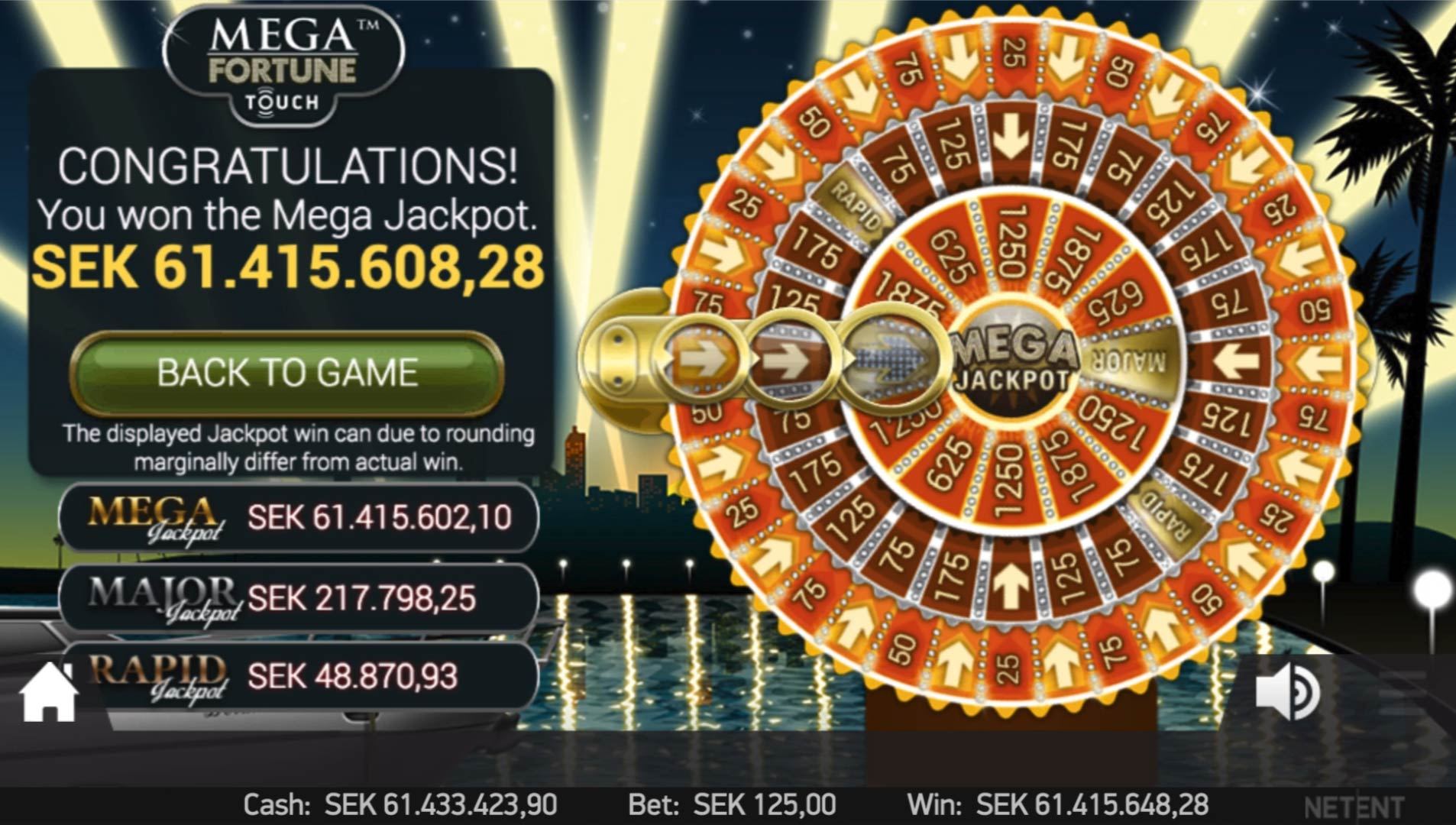
Negli ultimi anni, il mondo delle scommesse online ha subito una vera e propria rivoluzione. Con l’avvento delle app e dei servizi web ottimizzati per dispositivi mobili, gli appassionati di giochi e scommesse hanno ora accesso a una gamma di opportunità come mai prima d’ora. Tra queste, spicca gold bet mobile, che offre una piattaforma intuitiva e ricca di funzionalità per coloro che desiderano scommettere in movimento.
Cosa rende Gold bet mobile unica
La forza di gold bet mobile risiede nella sua capacità di combinare un’interfaccia user-friendly con una vasta gamma di opzioni di scommessa. Gli utenti possono facilmente navigare tra le varie sezioni, sia che siano interessati a scommesse sportive, giochi da casinò, o eventi dal vivo. Inoltre, il design responsivo si adatta perfettamente a qualsiasi dispositivo, garantendo un’esperienza fluida e senza interruzioni.
Accessibilità e comodità
Non è più necessario stare davanti a un computer per divertirsi con le scommesse. Gold bet mobile consente di piazzare scommesse ovunque ci si trovi, che si sia in coda al supermercato o in viaggio. Questo livello di accessibilità ha reso le scommesse più popolari che mai, attirando un pubblico più ampio e diversificato.
Opzioni di scommessa con Gold bet mobile
Gold bet mobile offre un’ampia gamma di scommesse, che include:
- Scommesse sportive tradizionali
- Scommesse live
- Gioco d’azzardo nei casinò virtuali
- Scommesse su eventi e competizioni non sportive
Ogni opzione di scommessa è progettata per massimizzare l’engagement dell’utente, con quote competitive e promozioni regolari che incentivano le scommesse. Gli utenti possono anche accedere a statistiche e informazioni dettagliate per aiutarli a prendere decisioni più informate.
Promozioni e bonus
Un altro punto forte di Gold bet mobile è la varietà di promozioni disponibili. Gli utenti possono beneficiare di bonus di benvenuto, scommesse gratuite e promozioni stagionali che aumentano le loro possibilità di vincita. Queste offerte non solo attirano nuovi giocatori, ma mantengono anche alta la motivazione di quelli già esistenti.
Sicurezza e protezione dei dati
Quando si parla di scommesse online, la sicurezza è una priorità fondamentale. Gold bet mobile utilizza tecnologie di crittografia avanzate per garantire che tutte le transazioni e i dati degli utenti siano al sicuro. Gli utenti possono quindi scommettere con fiducia, sapendo che le loro informazioni personali e finanziarie sono protette.
Assistenza clienti
Un servizio clienti disponibile e competente è essenziale per un’esperienza di scommesse positiva. Gold bet mobile offre supporto attraverso vari canali, inclusi chat dal vivo, email e numeri di telefono dedicati. Gli operatori sono disponibili 24 ore su 24, 7 giorni su 7, per rispondere a qualsiasi domanda o risolvere eventuali problemi.
Il futuro delle scommesse con Gold bet mobile
Con l’evoluzione continua della tecnologia, è probabile che Gold bet mobile continui a innovare e a migliorare la propria offerta. Nuove funzionalità, giochi e tipi di scommesse saranno sicuramente introdotti, mantenendo la piattaforma all’avanguardia nel settore delle scommesse online. Gli utenti possono aspettarsi un’esperienza sempre più personalizzata e coinvolgente.
In conclusione, Gold bet mobile rappresenta una scelta eccellente per chi cerca un’esperienza di scommesse completa e accessibile. Con una vasta gamma di opzioni, promozioni allettanti e un forte focus sulla sicurezza, gli utenti possono godere di ogni momento delle loro scommesse. Non è mai stato così facile scommettere, e con Gold bet mobile, l’emozione è sempre a portata di mano.
by michelle.mitchell | Dec 24, 2025 | Uncategorized
Il gioco d’azzardo patologico rappresenta una delle più gravi emergenze sanitarie in Italia. Secondo i dati dell’Osservatorio Nazionale Gioco Patologico, nel 2023 circa 620 000 adulti hanno mostrato segni di dipendenza, con una prevalenza più alta tra i giovani tra i 18 e i 34 anni. Le conseguenze non sono solo finanziarie: stress, ansia, relazioni familiari incrinate e un calo significativo della qualità della vita sono la norma per chi cade nella trappola del betting compulsivo.
Per chi desidera approfondire il panorama dei siti non regolamentati, è possibile consultare la pagina di Unorules all’indirizzo https://unorules.net/it/siti-scommesse-non-aams/. Il sito funge da risorsa informativa, elencando piattaforme che operano al di fuori dell’AAMS e fornendo indicazioni su come riconoscere offerte potenzialmente pericolose.
Questo articolo sostiene che l’unione di live dealer, bonus responsabili e strategia psicologica può costituire un vero percorso di recupero. I casinò live, grazie all’interazione umana, offrono un “human touch” capace di risvegliare la consapevolezza del giocatore; i bonus strutturati con limiti e pause trasformano il premio in un segnale di progresso, non in una trappola. Analizzeremo i meccanismi neurologici, le pratiche delle piattaforme e le testimonianze concrete di chi è riuscito a ricostruire la propria vita grazie a queste innovazioni.
1. La psicologia del giocatore: da impulso a consapevolezza
Il cervello elabora il gioco d’azzardo come un potente sistema di ricompensa. Quando il giocatore vince, si attiva il circuito dopaminergico, creando un “rush” simile a quello di sostanze psicotrope. Nei giochi live, la presenza di un croupier reale amplifica questo effetto: lo sguardo diretto, il suono delle fiches, il ritmo del dealer generano un’esperienza multisensoriale che rinforza il legame emotivo con la scommessa.
Le emozioni “in‑the‑moment”, come l’entusiasmo del live betting o la tensione di un giro di roulette, sono brevi ma intensissime. Esse sovrastano il ragionamento a lungo termine, spingendo il giocatore a “chiudere il giro” per mantenere l’adrenalina. La neuroscienza indica che la corteccia prefrontale, responsabile del controllo esecutivo, viene temporaneamente soppressa, rendendo difficile valutare le conseguenze future.
Il primo passo verso il cambiamento è la consapevolezza di sé. Mettere per iscritto le proprie motivazioni di gioco, tenere un diario delle sessioni e monitorare i picchi emotivi aiuta a rompere il ciclo automatico. Quando il giocatore riconosce che il desiderio di puntare è spesso una risposta a stress o noia, può iniziare a ricostruire un nuovo schema decisionale, sostituendo l’impulso con una valutazione razionale del rischio‑reward.
Tabella comparativa: Meccanismi di ricompensa – Live vs. RNG
| Aspetto |
Live dealer (interazione reale) |
RNG (Random Number Generator) |
| Stimolo sensoriale |
Voci, gesti, movimento fiches |
Solo grafica digitale |
| Percezione di controllo |
Elevata (croupier visibile) |
Bassa (algoritmo invisibile) |
| Attivazione dopaminica |
Alta (esperienza immersiva) |
Media (dipende dal risultato) |
| Rischio di dipendenza |
Maggiore se non regolamentato |
Variabile |
2. Live dealer come strumento di “human touch” nella riabilitazione
Interazione reale vs. RNG
La differenza fondamentale tra un dealer fisico e un RNG sta nella percezione del controllo. Quando il giocatore osserva il croupier mescolare le carte o distribuire le fiches, il cervello interpreta l’azione come “gestita da un individuo”, non da una macchina. Questo fa apparire la scommessa meno aleatoria e più prevedibile, anche se le probabilità (RTP, volatilità) rimangono identiche. Di conseguenza, il giocatore tende a sentirsi più responsabile delle proprie scelte, favorendo un approccio più riflessivo.
Feedback emotivo immediato
Il croupier, pur non avendo il compito di “coaching”, fornisce un feedback non verbale: un sorriso quando il tavolo è calmo, una lieve esitazione in caso di puntate insolite. Questi segnali possono attivare la corteccia cingolata, che regola le emozioni sociali, contribuendo a calmare l’ansia del giocatore. Alcuni casinò hanno iniziato a formare i dealer su come riconoscere segnali di stress, chiedendo di “intervenire” con una pausa o un suggerimento di auto‑esclusione.
Studi recenti condotti da università italiane hanno mostrato che i partecipanti a sessioni live con dealer addestrati hanno ridotto le puntate impulsive del 22 % rispetto a un gruppo di controllo che giocava a RNG. La presenza umana sembra favorire un processo di autoregolazione, trasformando il tavolo da “trappola” a “spazio di apprendimento”.
3. Bonus responsabili: incentivi che non alimentano la dipendenza
I “bonus responsabili” sono promozioni progettate per supportare l’autocontrollo anziché incentivarne l’abuso. Tra le principali caratteristiche troviamo:
- Limiti di deposito giornalieri (es. €200 per sessione live).
- Cooldown di 24‑48 ore tra un bonus di benvenuto e il successivo, impedendo catene di scommesse continue.
- Auto‑esclusione integrata, che blocca temporaneamente l’account finché il giocatore non conferma la volontà di tornare.
Piattaforme come BetOnLive e RoyalCasino hanno implementato tali meccanismi nei loro giochi di live roulette e blackjack. Ad esempio, BetOnLive offre un bonus di benvenuto del 100 % fino a €300, ma lo sblocco avviene solo dopo che il giocatore ha completato tre sessioni con limiti di puntata rispettati.
L’impatto psicologico è notevole: il premio non è più percepito come “carta vincente”, ma come “segnale di progresso”. Quando il giocatore ottiene il bonus dopo aver rispettato i propri limiti, il cervello associa la ricompensa al comportamento controllato, rinforzando la disciplina. Questo approccio contrasta la spirale di dipendenza, trasformando il bonus da esca a strumento di crescita personale.
4. Storie di successo: testimonianze di giocatori che hanno ricominciato con i live dealer
Marco, 34 anni – dal binge al budgeting
Marco ha vissuto una fase critica nel 2022, quando le sue puntate su scommesse sportive e live roulette superavano i €5 000 al mese. Dopo un intervento di assistenza familiare, ha deciso di passare a una piattaforma che offriva limiti di scommessa live. Grazie al dashboard di benessere, ha impostato un tetto di €150 a sessione e ha attivato una pausa obbligatoria di 30 minuti dopo ogni 20 minuti di gioco. Dopo tre mesi, il suo profitto medio è sceso a €200 mensili, ma la sua fiducia è aumentata: “Il dealer mi guardava quando puntavo troppo; è stato come ricevere un promemoria umano”.
Lucia, 27 anni – la svolta del “bonus pausa”
Lucia, appassionata di live betting su blackjack, ha sperimentato un “bonus tempo di pausa” introdotto da LiveGaming. Ogni volta che raggiungeva il limite di €100 di perdita in una singola sessione, il sistema le concedeva un bonus di €20 da utilizzare solo dopo 48 ore di inattività. Questo ha trasformato il concetto di “bonus di benvenuto” in un “premio di autocontrollo”. Lucia racconta: “Il bonus non mi spingeva a giocare di più, ma mi premiava per aver atteso”. Oggi gestisce le sue puntate con un budget mensile di €300 e partecipa solo a tornei con croupier certificati.
Fattori comuni
- Supporto umano: la presenza del dealer ha fornito un riferimento di realtà che ha moderato gli impulsi.
- Limiti chiari: le impostazioni di deposito e cooldown hanno creato barriere tangibili.
- Feedback positivo: i bonus hanno premiato comportamenti responsabili, consolidando nuove abitudini.
5. Il ruolo delle piattaforme: politiche di protezione integrate nei giochi live
Dashboard di benessere
Le migliori piattaforme offrono una dashboard personalizzata che mostra il tempo di gioco, le vincite/loss totali e suggerimenti per pause regolari. Gli avvisi di tempo appaiono sotto forma di notifiche pop‑up: “Hai giocato per 45 minuti, considera una pausa”. Alcune piattaforme, come CasinoVision, includono anche un “indice di rischio” basato sul ritmo di puntate e sulla volatilità dei giochi scelti, consigliando di ridurre il wager o di passare a un gioco a RTP più stabile.
Formazione del croupier
I dealer sono formati da psicologi del gioco d’azzardo per riconoscere segnali di stress: mani tremanti, cambiamenti nella velocità di puntata, richieste di aumentare il bet subito dopo una perdita. Quando individua questi pattern, può suggerire discretamente una pausa o indicare il link alla sezione di auto‑esclusione. Questa pratica è diffusa nei casinò online leader, che includono corsi certificati di “Responsible Gaming for Dealers”.
Le migliori pratiche includono:
- Monitoraggio in tempo reale delle sessioni.
- Accesso rapido a risorse di supporto (linee di ascolto, gruppi di aiuto).
- Incentivi per i dealer che segnalano comportamenti a rischio, creando una cultura di cura reciproca.
6. Come i bonus possono diventare strumenti terapeutici
Strutturare i bonus come “obiettivi di recupero” significa collegarli a traguardi di autocontrollo. Un esempio pratico è il bonus progressivo di fedeltà: il giocatore riceve il 5 % di cashback se rispetta il limite di €100 di perdita per una settimana; il 10 % se mantiene il limite per due settimane consecutive, e così via. Questo modello segue i principi della terapia cognitivo‑comportamentale (CBT), in cui il rinforzo positivo favorisce il consolidamento di nuove abitudini.
Il “feedback positivo” è cruciale. Quando la piattaforma invia un messaggio come “Hai rispettato il tuo limite di deposito per 5 giorni – ecco il tuo bonus di €15”, il cervello associa la disciplina al piacere del premio, rafforzando la rete neurale del controllo.
Campagne promozionali recenti, come quella di PlayLive (gennaio‑marzo 2024), hanno introdotto un “programma di pausa” dove i giocatori che usano il cooldown di 24 ore ricevono un bonus fisso di €10. I dati interni di PlayLive mostrano una riduzione del 18 % nelle ricadute di dipendenza rispetto al periodo precedente, evidenziando l’efficacia di un bonus che premia la pausa anziché l’attività.
7. Prospettive future: intelligenza artificiale, realtà aumentata e supporto psicologico nei casinò live
AI per il rilevamento precoce
Gli algoritmi di intelligenza artificiale possono analizzare i pattern di puntata in tempo reale, individuando segnali di rischio (es. aumento rapido delle scommesse, frequenza di puntate di alta volatilità). Quando il sistema rileva un comportamento anomalo, invia un avviso personalizzato: “Hai superato il tuo limite medio di puntata, vuoi impostare una pausa?”. Alcune piattaforme stanno già testando modelli predittivi basati su dati di gioco e fattori psicologici, migliorando l’intervento tempestivo.
AR/VR con coach virtuali
Le esperienze di realtà aumentata (AR) e realtà virtuale (VR) offrono la possibilità di avere un “coach digitale” accanto al dealer. Questo avatar può guidare il giocatore attraverso esercizi di respirazione, suggerire strategie di gestione del bankroll e fornire consigli su quando è il momento di smettere. La combinazione di immersione sensoriale e supporto psicologico può potenziare la resilienza emotiva, ma richiede una rigorosa regolamentazione per evitare subliminali spinti a scommettere.
Rischi e opportunità
L’evoluzione tecnologica può rafforzare i percorsi di recupero se integrata con politiche di protezione solide. Tuttavia, la stessa tecnologia può essere usata per creare ambienti ancora più avvincenti, aumentando il potenziale di dipendenza. Per questo è fondamentale che le autorità di gioco collaborino con sviluppatori, psicologi e operatori per definire standard etici: trasparenza sugli algoritmi, limiti di tempo di immersione e obbligo di formazione per tutti gli attori coinvolti.
Conclusione
Abbiamo visto come la sinergia tra live dealer, bonus responsabili e una solida comprensione della psicologia del giocatore possa trasformare una dipendenza in un percorso di crescita. I dealer forniscono il “human touch” necessario a riacquistare consapevolezza; i bonus strutturati premiano l’autocontrollo anziché l’eccesso; le piattaforme offrono strumenti di monitoraggio e formazione per creare un ambiente più sicuro.
Invitiamo i lettori a valutare le proprie abitudini, a scegliere casinò live che integrano dashboard di benessere e dealer formati, e a considerare i bonus non solo come offerte promozionali ma come veri e propri strumenti di crescita personale. Con una scelta consapevole, le scommesse possono diventare momenti di divertimento responsabile, dove la decisione più importante è quella di giocare in modo sano e rispettoso di sé.
by michelle.mitchell | Dec 23, 2025 | Uncategorized
Scoprire il Mondo delle Scommesse Online

Negli ultimi anni, il settore delle scommesse online ha conosciuto una crescita esponenziale, attirando milioni di appassionati in tutto il mondo. Con l’avvento della tecnologia mobile, le piattaforme di scommesse hanno dovuto adattarsi per offrire un’esperienza utente sempre più coinvolgente e accessibile. In questo articolo, esploreremo le principali caratteristiche delle scommesse online e come la funzione ‘gold bet mobile‘ sta trasformando il modo in cui gli utenti interagiscono con il gioco.
Che Cos’è il Gioco d’Azzardo Mobile?
Il gioco d’azzardo mobile si riferisce alla possibilità di scommettere utilizzando dispositivi mobili come smartphone e tablet. Questo approccio ha rivoluzionato il settore, permettendo agli utenti di scommettere ovunque e in qualsiasi momento. Con app dedicate e siti web ottimizzati per i dispositivi mobili, scommettere è diventato un processo semplice e veloce.
I Vantaggi delle Scommesse Mobile
- Accessibilità 24/7: Gli scommettitori possono accedere alle piattaforme di scommesse in qualsiasi momento, eliminando le limitazioni temporali delle scommesse tradizionali.
- Interfacce Ottimizzate: Le app e i siti web dedicati sono progettati per fornire un’esperienza utente fluida, con navigazione intuitiva e caricamenti rapidi.
- Varietà di Opzioni di Gioco: Gli utenti hanno accesso a una vasta gamma di eventi sportivi e giochi da casinò, garantendo che ci sia sempre qualcosa di interessante su cui scommettere.
- Promozioni e Bonus Esclusivi: Molte piattaforme offrono bonus e promozioni esclusivi per gli utenti di dispositivi mobili, incentivando ulteriormente a scommettere.
Come Scegliere la Piattaforma di Scommesse Giusta
Scegliere una piattaforma di scommesse può sembrare complesso, ma ci sono alcuni fattori chiave da considerare. È importante assicurarsi che la piattaforma sia sicura, offra una buona selezione di eventi e abbia un servizio clienti efficiente. Inoltre, molti utenti cercano piattaforme che includano opzioni di pagamento flessibili e metodi di deposito e prelievo rapidi.
Caratteristiche da Considerare
- Sicurezza: Assicurati che la piattaforma utilizzi crittografia avanzata per proteggere i tuoi dati.
- Licenza: Verifica che la piattaforma sia regolarmente autorizzata dalle autorità competenti.
- Varietà di Giochi: Controlla la gamma di scommesse disponibili, dalla scommessa sportiva ai giochi da casinò.
- Assistenza Clienti: La disponibilità di un supporto clienti reattivo è fondamentale in caso di problemi.
I Futuri Sviluppi nel Settore delle Scommesse
Con l’evoluzione della tecnologia, il futuro delle scommesse online appare promettente. La realtà aumentata e virtuale, ad esempio, potrebbero offrire esperienze di gioco immersive, mentre l’intelligenza artificiale potrebbe migliorare l’accuratezza delle previsioni e delle analisi delle scommesse. Inoltre, la crescente popolarità delle criptovalute potrebbe portare a nuove opportunità nel settore delle scommesse.
Conclusione
In sintesi, il mondo delle scommesse online sta rapidamente cambiando grazie all’innovazione tecnologica e alle preferenze degli utenti. La ‘gold bet mobile‘ rappresenta solo una delle tante tendenze che stanno plasmando il futuro delle scommesse. Scegliere la piattaforma giusta, tenere d’occhio le nuove tecnologie e approfittare delle promozioni disponibili può migliorare notevolmente la tua esperienza di scommessa. Non resta che lanciarsi e scoprire tutte le opportunità che il mondo delle scommesse online ha da offrire!
by michelle.mitchell | Dec 23, 2025 | Uncategorized
Unleashing the Adventure: The Best Flying Games for Enthusiasts

Introduction to Flying Games
Flying games have captivated the hearts of many gamers around the world. These games provide an exhilarating experience that simulates the art of flying, whether it be through a small aircraft, fighter jets, or even commercial airliners. The thrill of soaring through the skies, navigating clouds, and landing on distant runways creates an immersive environment that keeps players coming back for more. play.google.com/store/apps/details?id=com.aviator.pilot.games.
The Rise of Mobile Aviation Games
With the advancement of mobile technology, flying games have transitioned from consoles and PCs to smartphones. This shift allows players to enjoy a quality flying experience on-the-go. One such platform that has become a hub for these games is the Google Play Store, where aviation enthusiasts can explore a variety of titles suited to different preferences.
Why Choose Mobile Flying Games?
Mobile flying games offer several advantages that attract players. Here are a few key benefits:
- Accessibility: You can play anytime and anywhere, making it easy to squeeze in a flying session during your commute or while waiting in line.
- Variety: The Google Play Store features a diverse range of games, from realistic flight simulators to arcade-style experiences.
- Community: Many mobile flying games have robust online communities where players can share tips, strategies, and experiences.
Top Features to Look For
When selecting a flying game from play.google.com/store/apps/details?id=com.aviator.pilot.games or any other platform, consider the following features to enhance your gaming experience:
- Realistic Graphics: High-quality graphics can make a significant difference in immersion and enjoyment.
- Flight Physics: A good flying game should offer realistic flight dynamics to provide authenticity.
- Customizable Controls: Players should be able to tailor their controls to fit their preferences, whether using tilt or touch controls.
- Variety of Aircraft: A diverse range of aircraft can enrich the gameplay experience and provide numerous flying styles.
Popular Flying Games on Mobile Platforms
There are numerous flying games available that have gained popularity among mobile users. Here are some noteworthy titles:
- Flight Simulator 2020: Known for its stunning graphics and realistic simulation, this game allows players to pilot a variety of aircraft in real-world scenarios.
- Jet Fighter: An action-packed game where players can engage in aerial combat and tactical missions.
- Airline Commander: A management simulator that lets players run their own airline while experiencing the intricacies of flight operations.
Tips for Mastering Flying Games
To excel in flying games, consider the following tips that can help improve your skills:
- Practice Regularly: Like any skill, regular practice will help you become a better pilot in the game.
- Learn the Controls: Familiarize yourself with the game’s controls and settings to enhance your responsiveness.
- Join Online Communities: Engaging with other players can provide valuable insights and techniques that can enhance your gameplay.
Conclusion: Embark on Your Aviation Journey
Flying games offer a unique blend of excitement, challenge, and creativity that appeals to a vast audience. For those looking to get started, the Google Play Store is an excellent resource for discovering new titles. With countless options available, you can find the perfect game that matches your interests, whether it’s realistic simulations or thrilling combat scenarios. So, strap in, take to the skies, and explore the endless possibilities that await you.

Recent Comments